Wet AMD can affect central vision quickly
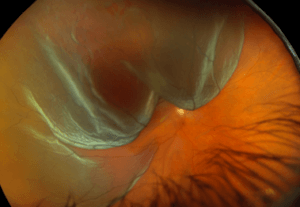
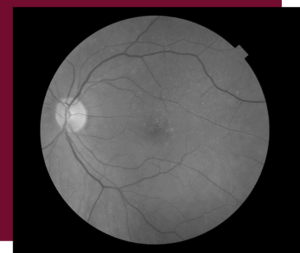
Wet age-related macular degeneration, often called wet AMD, is a condition that affects the macula, the part of the retina responsible for detailed central vision. It occurs when abnormal blood vessels grow under or within the retina. These vessels can leak fluid or blood, causing distortion, blurred vision or central vision loss.
Wet AMD can progress more quickly than dry AMD, the non-leaking form of the condition, which is why early diagnosis and timely treatment are important.
At The Retina Clinic London, patients with suspected wet AMD are assessed using advanced retinal imaging to identify fluid, bleeding or abnormal blood vessel growth, and to guide treatment planning.
What symptoms can wet AMD cause?
Symptoms may include:
- Straight lines appearing wavy or bent
- Blurred central vision
- A dark or missing patch in the centre of vision
- Difficulty reading or recognising faces
- Sudden change in vision in one eye
These symptoms do not always mean wet AMD is present, but they should be assessed promptly by a specialist.
How is wet AMD treated?
The main treatment for wet AMD is anti-VEGF therapy. VEGF stands for vascular endothelial growth factor, a natural protein that can encourage abnormal blood vessel growth and leakage in the retina.
Anti-VEGF medicines are given by intravitreal injection, which means the medicine is placed directly into the eye. This allows treatment to reach the retina where it is needed.
Commonly used anti-VEGF medicines include aflibercept, ranibizumab, faricimab and bevacizumab. The most suitable treatment and schedule depend on the individual clinical picture.
Are eye injections painful?
Many patients feel anxious before their first injection. The eye is numbed with anaesthetic drops, and the procedure is usually brief. Patients may feel pressure or mild discomfort, but the treatment is designed to be as comfortable and safe as possible.
At The Retina Clinic London, injections are delivered using careful aseptic technique, with pre-treatment checks and post-treatment advice.
Why monitoring matters
Wet AMD usually requires ongoing monitoring. Optical coherence tomography, often called OCT, allows the consultant to see detailed cross-sectional images of the retina and identify whether fluid is present.
Treatment intervals may be adjusted according to how the eye responds. This personalised approach helps guide treatment timing carefully, aiming to treat active disease while avoiding unnecessary visits or injections where clinically appropriate.
What makes our approach different?
The Retina Clinic London combines specialist retinal expertise with advanced diagnostic imaging. Our consultants assess the structure and function of the retina, explain findings clearly, and create a treatment plan tailored to the patient’s condition.
The next step
If you have noticed sudden distortion, blurred central vision, a dark or missing patch, or a sudden change in vision in one eye, please arrange prompt retinal assessment.
To book your consultation, please call us on +44 (0)20 4548 5310 or visit https://www.theretinacliniclondon.com/book-a-consultation/.
We’ll be glad to guide you through the next steps.